If you're taking Mounjaro and have recently noticed an unusual taste in your mouth, you may be experiencing what's known as sulfur burps. While the term may sound a bit unpleasant, this is a relatively common side effect.
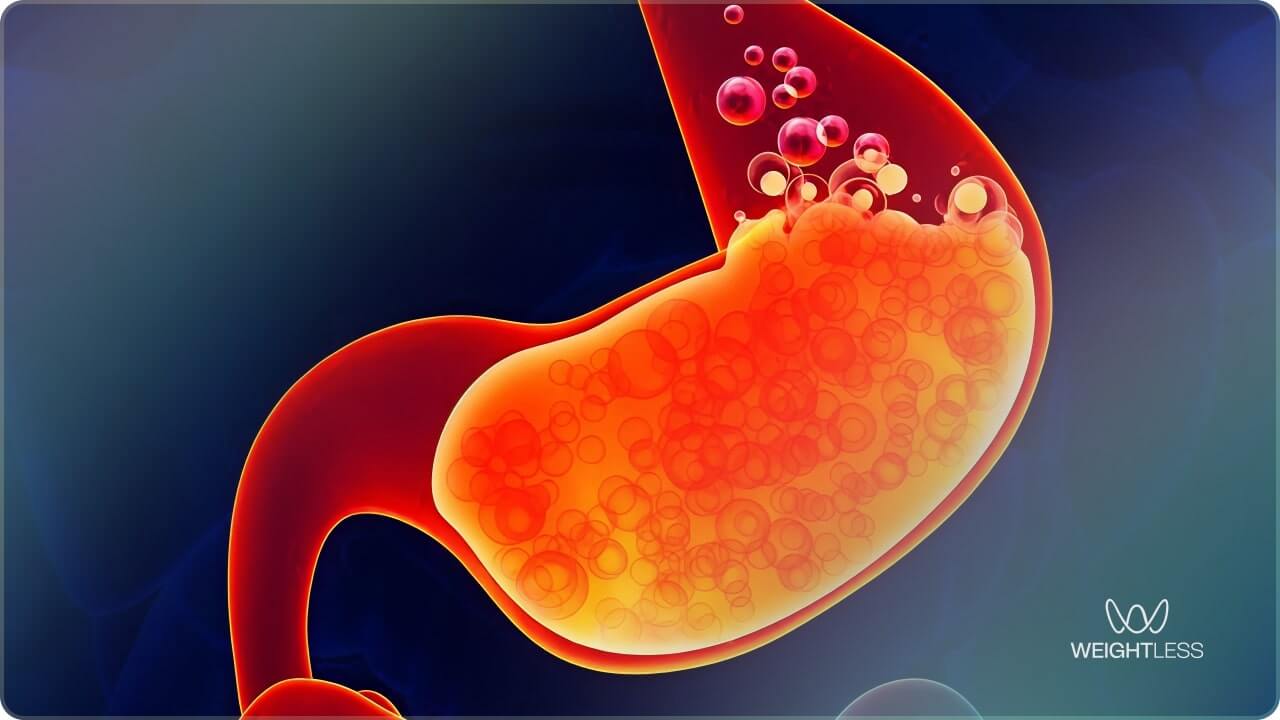
Sulfur burps happen when gas builds up during digestion. It's not dangerous, just an uncomfortable side effect. These can develop during digestion and may be more noticeable for people taking medications like Mounjaro, which can slow how quickly the stomach empties. This slower digestion may lead to more gas buildup and changes in how the digestive system processes certain foods.
In this guide, discover more about why sulfur burps may occur while taking Mounjaro and how your diet and digestion may play a role.
Why Mounjaro Can Cause Sulphur Burps
Mounjaro slows down how quickly your stomach empties. This means food stays longer in your stomach, allowing bacteria to break it down and produce gases, including hydrogen sulfide. When this gas escapes as a burp, it causes the unpleasant sulfur odour.
This side effect is linked to the medication’s effect on digestion and is common with drugs that slow gastric emptying. Usually, it improves as your body adjusts and is nothing to worry about.
However, if you feel as if this side effect is persistent, it is vital to contact a healthcare professional and take the next step with their guidance.
Reported Triggers & Patterns
Certain foods are known to make sulfur burps more likely while on Mounjaro. Common triggers include:
- Lentils and beans
- Fatty or fried meals
- Spicy dishes
- Carbonated drinks
In terms of timing, many people notice sulfur burps starting 1 to 3 days after their Mounjaro dose, especially when doses are increased.
How Common Are They & When Do They Occur
Sulfur burps are more commonly reported when starting Mounjaro or after increasing the dose. As your body adjusts to the medication’s effects on digestion, these burps often become less frequent over time.
Some people may also experience other digestive symptoms like mild cramping or diarrhoea alongside burping. These side effects usually improve as treatment continues, but should be discussed with your healthcare provider if they persist or worsen.
How to Prevent & Stop Sulphur Burps
Simple daily changes can make a big difference in reducing sulphur burps on Mounjaro. These include:
Diet Adjustments
- Avoid high-sulfur foods such as eggs, red meats, dairy, cruciferous vegetables, legumes, garlic, and onions.
- Watch your intake of fermentable foods like lentils and beans, which can increase gas production.
Eating Habits
- Eat smaller, more frequent meals and take your time while eating.
- Avoid overeating, talking while chewing, or swallowing air by using straws or chewing gum.
Hydration & Movement
- Stay well-hydrated with water and soothing herbal teas like ginger or peppermint.
- Engage in gentle movement, such as walking after meals, to help speed digestion.
Over-the-Counter Remedies & Supplements
- Pepto-Bismol Ultra is commonly recommended for relief.
- Other helpful options include simethicone, activated charcoal, digestive enzymes, probiotics, and peppermint oil supplements.
Brief Timeline of Burps
Sulfur burps tend to be most noticeable during the initial weeks of starting Mounjaro, as your body adjusts to the medication’s effects on digestion. Many users report that symptoms are mild to moderate at first, and in some cases, they flare up again following a dose increase.
This is because higher doses can further slow gastric emptying, temporarily increasing gas buildup. However, as treatment continues, the digestive system often adapts, and these symptoms typically decrease in frequency and intensity over time.
For most people, sulfur burps become less disruptive or resolve entirely with consistent use and proper management strategies.
When medical intervention is supervised:
If sulfur burps persist beyond a few days or are accompanied by other digestive symptoms like cramping, diarrhoea, or discomfort, it’s a good idea to speak with your healthcare provider.
More serious symptoms such as vomiting, severe abdominal pain, signs of dehydration, or unexplained weight loss should be addressed promptly, as they could indicate a more significant issue.
In some cases, GLP-1 medications like Mounjaro may trigger gallbladder problems. Your doctor may recommend adjusting your dose, tapering more gradually, or prescribing medications to help manage symptoms such as nausea or delayed gastric emptying.
If you're experiencing these digestive side effects while using Mounjaro, don't navigate it alone. Learn why Mounjaro causes sulphur burps and discover diet, lifestyle, and OTC tips to stop eggy burps safely, with advice tailored for UK users.
FAQs
What causes sulfur burps while taking Mounjaro?
Sulfur burps are usually caused by hydrogen sulfide gas, which can be produced when food is not digested properly and ferments in the stomach or intestines. As Mounjaro causes slowed gastric emptying, the food sits longer in the gut, increasing the chance of bacterial fermentation and gas production.
Are sulfur burps a sign of food intolerance or allergy?
It’s not always necessary, but sulfur burps can sometimes be linked to food intolerances. However, in the case of Mounjaro, they’re more often the result of slowed digestion.
What is the fastest way to cure sulfur burps?
Some methods for quick relief may include taking activated charcoal, which can help reduce gas and voiding sulfur-rich foods like eggs, red meat, broccoli, garlic, and onions. Peppermint tea or ginger can soothe the stomach, and staying well-hydrated supports digestion and may ease symptoms.
Can changing the Mounjaro injection site help reduce GI symptoms?
There's no strong evidence that changing injection sites directly affects GI symptoms like sulfur burps. However, rotating injection sites is still recommended to prevent tissue irritation and absorption issues.
Should I stop taking Mounjaro if symptoms are severe?
If you're experiencing severe sulfur burps, diarrhoea, nausea, or vomiting, it is important to contact your healthcare provider immediately, as stopping the medication without guidance is not recommended.
Do other GLP‑1 medications cause similar issues?
Yes. Other GLP-1 receptor agonists like Ozempic and Wegovy can cause side effects such as nausea, bloating and sulfur burps.
Can antacids interfere with Mounjaro’s effectiveness?
No major interactions have been reported between antacids and Mounjaro. However, overuse may mask symptoms of more serious gastrointestinal issues. It is important to use them as directed by a healthcare professional.
Key Takeaways
- Sulfur burps are a common, temporary side effect of Mounjaro due to slowed gastric emptying, which allows gas-producing bacteria to ferment food longer in the stomach.
- Symptoms often appear 1–3 days after your weekly dose, especially during dose increases, and may lessen as your body adjusts.
- Common triggers include high-sulfur or fermentable foods like eggs, beans, fatty meals, and carbonated drinks.
- To manage symptoms, adjust your diet to reduce sulfur-rich and hard-to-digest foods.
- Eat slowly, avoid overeating, and skip habits that introduce excess air.
- Stay hydrated and incorporate light movement after meals to support digestion.
- Sulfur burps are usually temporary and most noticeable early on or after dose increases with Mounjaro, but they often improve over time as your body adjusts.
- Consider OTC remedies like Pepto-Bismol Ultra, simethicone, or digestive supplements like peppermint oil or enzymes.
- Talk to your doctor if symptoms persist, worsen, or are accompanied by vomiting, severe pain, or dehydration.
- Do not stop Mounjaro without medical advice. Your provider can help tailor a plan that minimises side effects while keeping your treatment on track
Sources:
https://www.sciencedirect.com/science/article/pii/S2090123220300527?via%3Dihub
https://www.medicines.org.uk/emc/files/pil.15481.pdf
Disclaimer: At Weightless, we strive to provide accurate, up-to-date health information that is carefully reviewed by medical professionals. However, the content on this blog is intended for general knowledge only and should not be considered a substitute for medical advice, diagnosis, or treatment. Always speak with a qualified healthcare professional about any questions or concerns you may have regarding your health. Information here should not be used to make decisions about your personal care without professional guidance.
You may also be interested in: